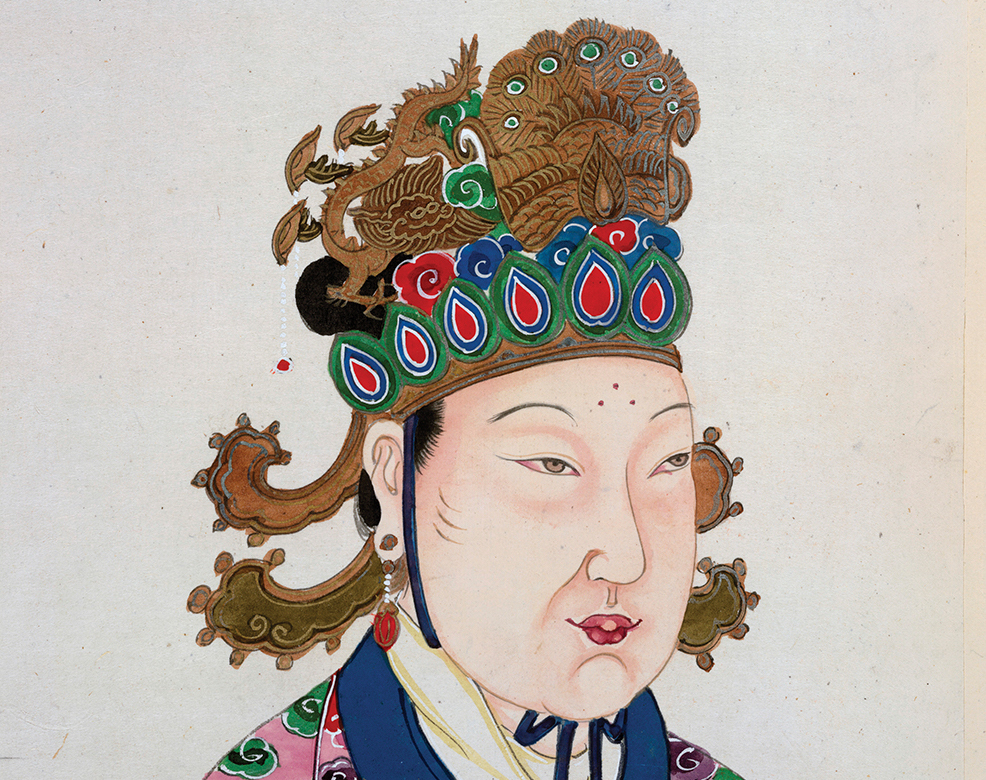
Beginning with this post, I will produce a complete, chapter-by-chapter translation of Key Points from the Treatises of Music (Yueshu yaolu 樂書要錄, c. 680). The treatise is special in many ways. It the earliest extant Chinese monograph on music theory and one of the earliest extant monographs on music at large. It is traditionally attributed to Wu Zetian (624-705), the only female emperor in Chinese history. The treatise’s very survival was also a testimony to the deep cultural integrations between medieval China and Japan. And, if these weren’t enough, the treatise, even with 70% of it lost, turns out to be an excellent textbook to Chinese music theory, particularly the key concepts of sheng (“sounds,” “notes of the scale”) and lü (“tuning” and “tuning pitch pipes”). Hence I am translating the surviving parts of this treatise in full, so that it can serve as a primer to Classical Chinese music theory for English speakers. This post translates the Table of Content and Chapter 1 of juan 5.
Tag Archives: Sound studies
The Politics of Listening — “The Duke of Shao Remonstrating with King Li on Eliminating Criticism,” Discourses of the States (c. 4th century BCE)
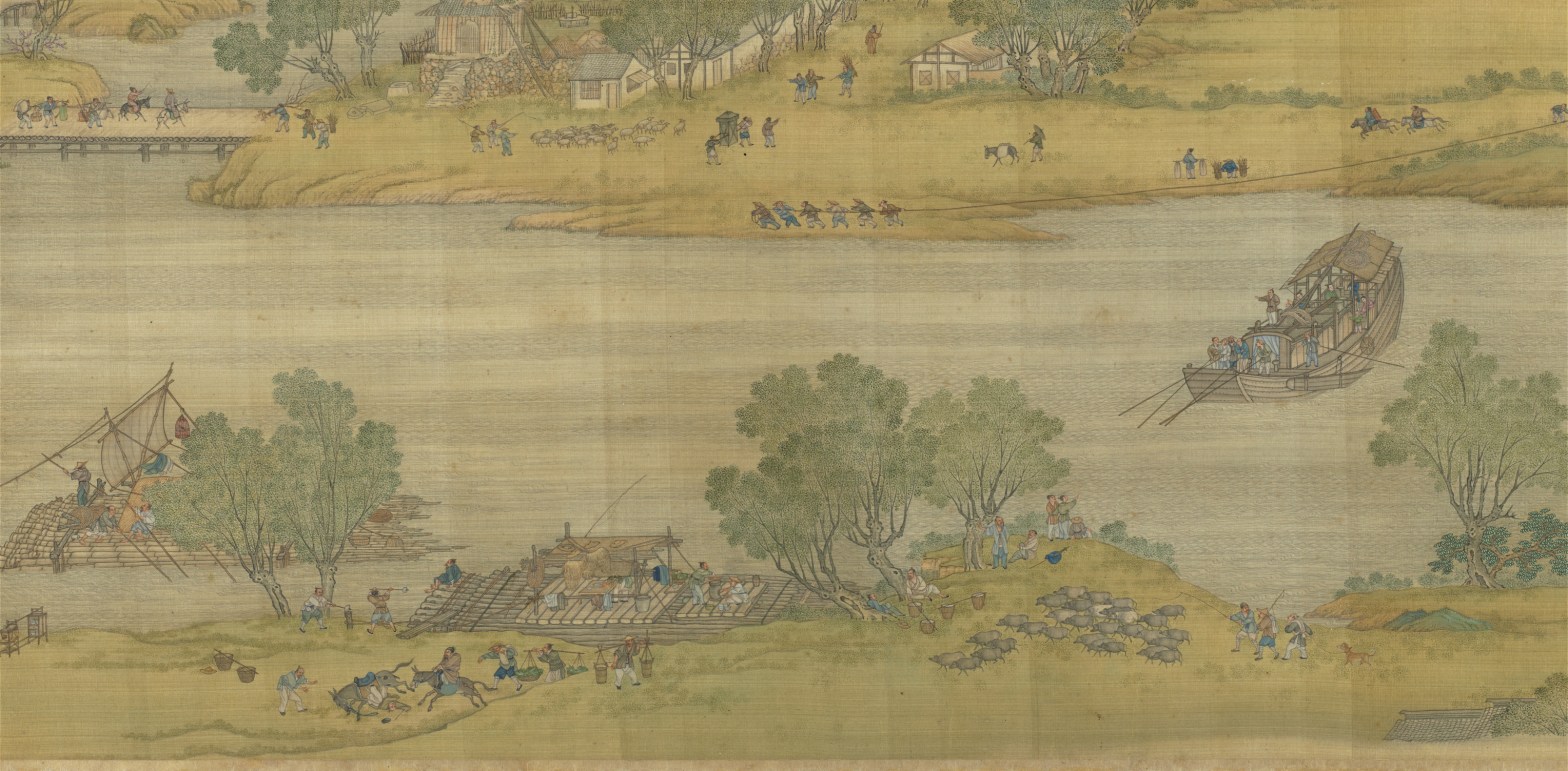
The most important political term in Classical Chinese is mingjun 明君 “enlightened ruler”, which literally means “brightened ruler,” in contrast to the lesser-known anju 暗君 “darkened ruler.” Here, one might be tempted to argue that traditional Chinese political philosophy is “ocularcentric”—except surveying its key texts, figures, and anecdotes suggests that the sense and notion of listening plays just as important a role in the conceptualization of rulership. The text translated here is the most direct and influential manifesto of this political significance of listening; it is taken from Discourses of the States (國語, c. 4th century BCE), a collection of speeches and conversations between various rulers and their advisors from roughly the 8th to the 5th centuries BCE—hence a key source in traditional Chinese political philosophy.
 From the Reed Ashes Pavilion