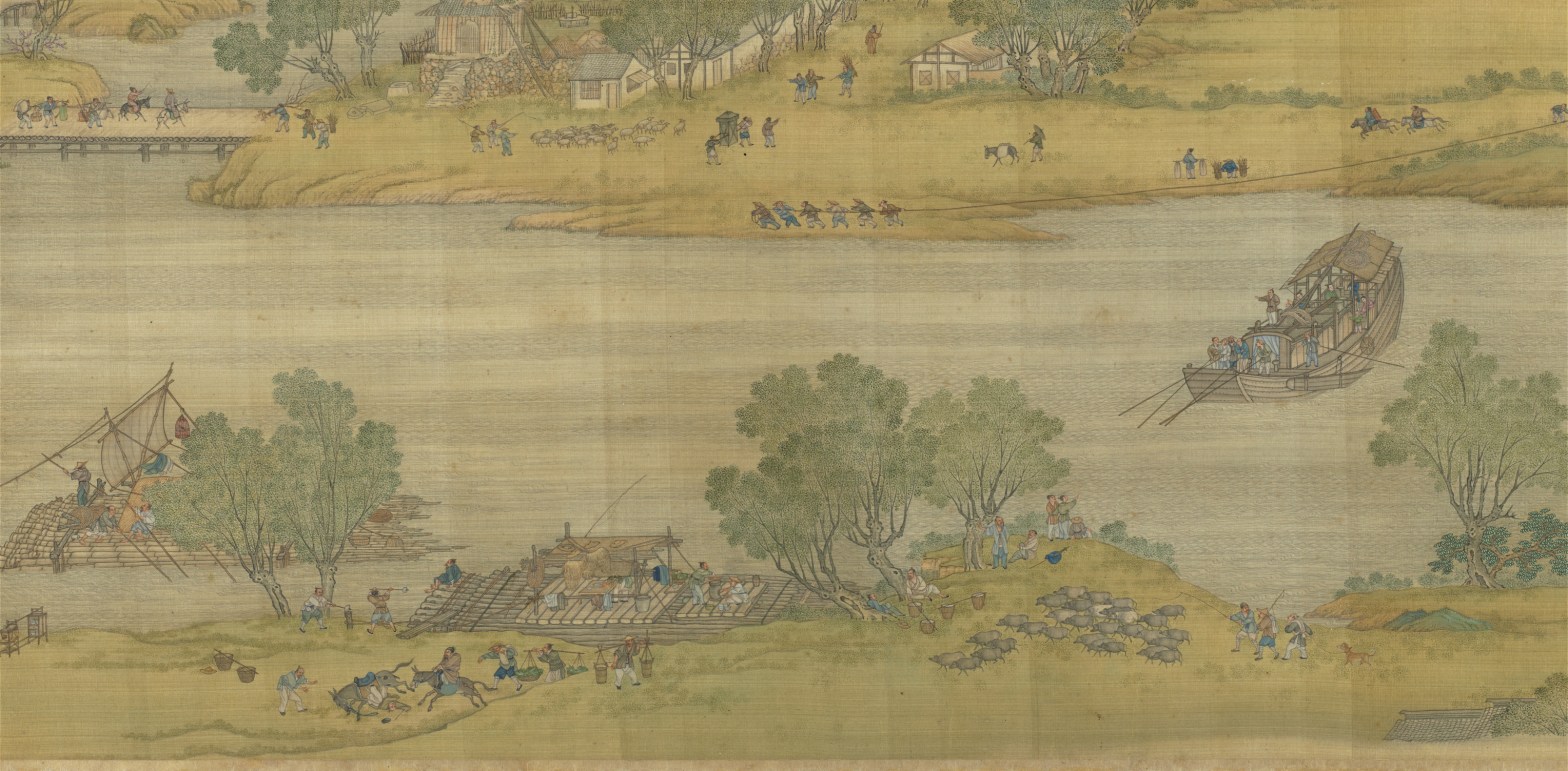
The most important political term in Classical Chinese is mingjun 明君 “enlightened ruler”, which literally means “brightened ruler,” in contrast to the lesser-known anju 暗君 “darkened ruler.” Here, one might be tempted to argue that traditional Chinese political philosophy is “ocularcentric”—except surveying its key texts, figures, and anecdotes suggests that the sense and notion of listening plays just as important a role in the conceptualization of rulership. The text translated here is the most direct and influential manifesto of this political significance of listening; it is taken from Discourses of the States (國語, c. 4th century BCE), a collection of speeches and conversations between various rulers and their advisors from roughly the 8th to the 5th centuries BCE—hence a key source in traditional Chinese political philosophy.
-
Subscribe
Subscribed
Already have a WordPress.com account? Log in now.
 From the Reed Ashes Pavilion